Breaking News

Popular News



Enter your email address below and subscribe to our newsletter
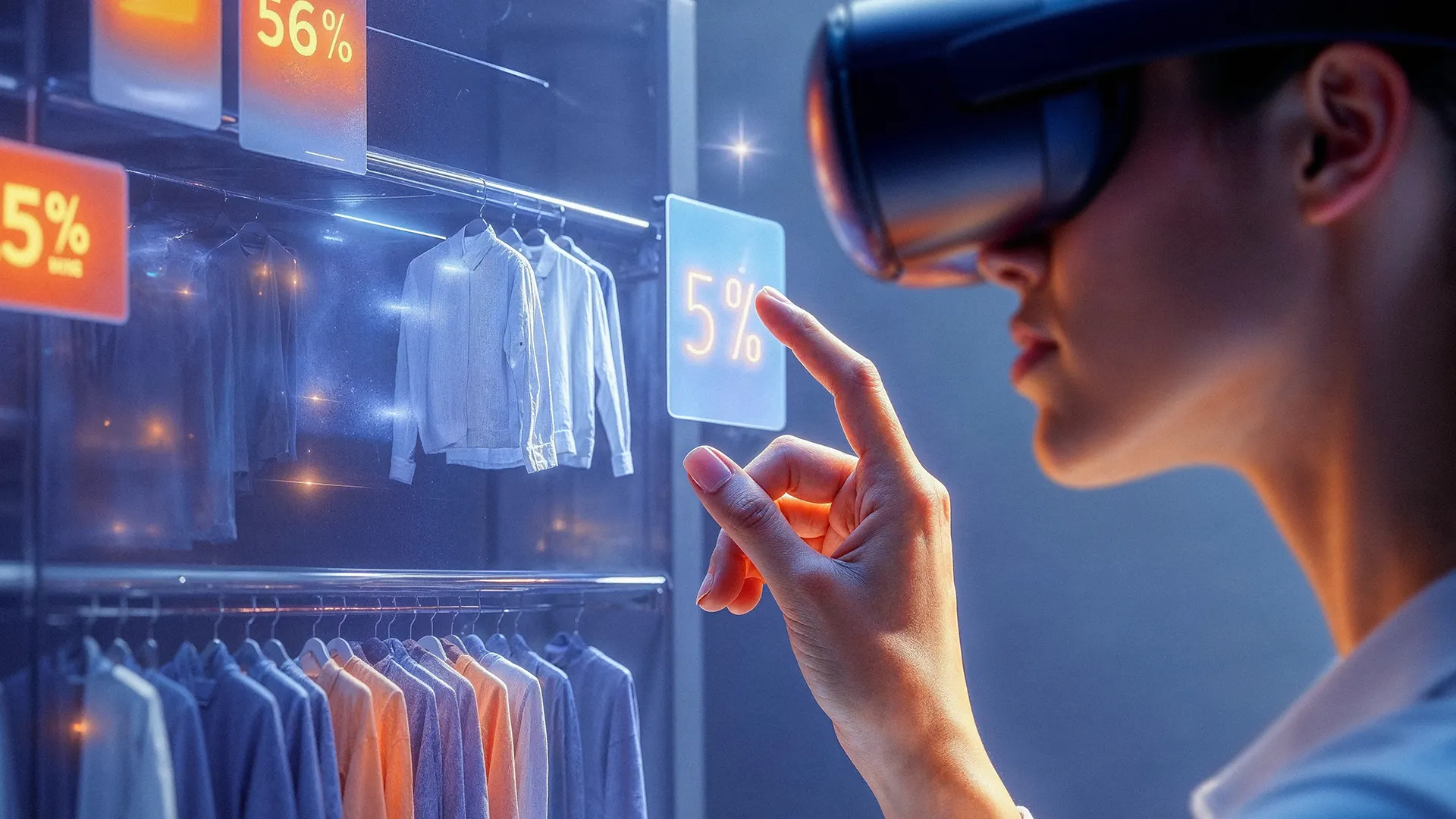
Artificial intelligence (AI) is revolutionizing the retail industry by transforming how retailers engage with customers and optimize their operations.
Leveraging advanced AI technologies such as machine learning, natural language processing, and computer vision, retail businesses are gaining unprecedented insights from valuable customer data to enhance customer satisfaction and streamline retail operations. However, AI implementation in retail raises ethical concerns regarding privacy and data collection practices, making it essential for retailers to address these issues responsibly.
AI-powered solutions enable retailers to remain competitive in a rapidly evolving retail sector by improving inventory management, demand forecasting, pricing strategies, and supply chain efficiency.
In this article, we look at the top 10 uses of AI in the retail industry that contribute to greater efficiency and a better customer experience.
AI-driven data-driven personalization is at the forefront of improving customer experience in retail. By analyzing purchase history, browsing behavior, and customer preferences, AI software delivers personalized product recommendations tailored to both online shoppers and physical store visitors.
This level of customization helps retailers boost customer satisfaction and loyalty by offering relevant product suggestions and dynamic pricing that reflect consumer demand and competitor pricing. However, algorithmic biases in AI systems can lead to unfair treatment of specific customer groups, highlighting the need for careful oversight in AI deployment.
Retailers can also use AI chatbots and virtual assistants to interact naturally with customers, addressing customer queries instantly and providing a seamless shopping experience.
One of the critical applications of AI in retail is automated inventory management. AI systems use historical sales data, supply chain analytics, and real-time transaction data to optimize stock levels, ensuring popular items are replenished promptly while minimizing overstock and waste.
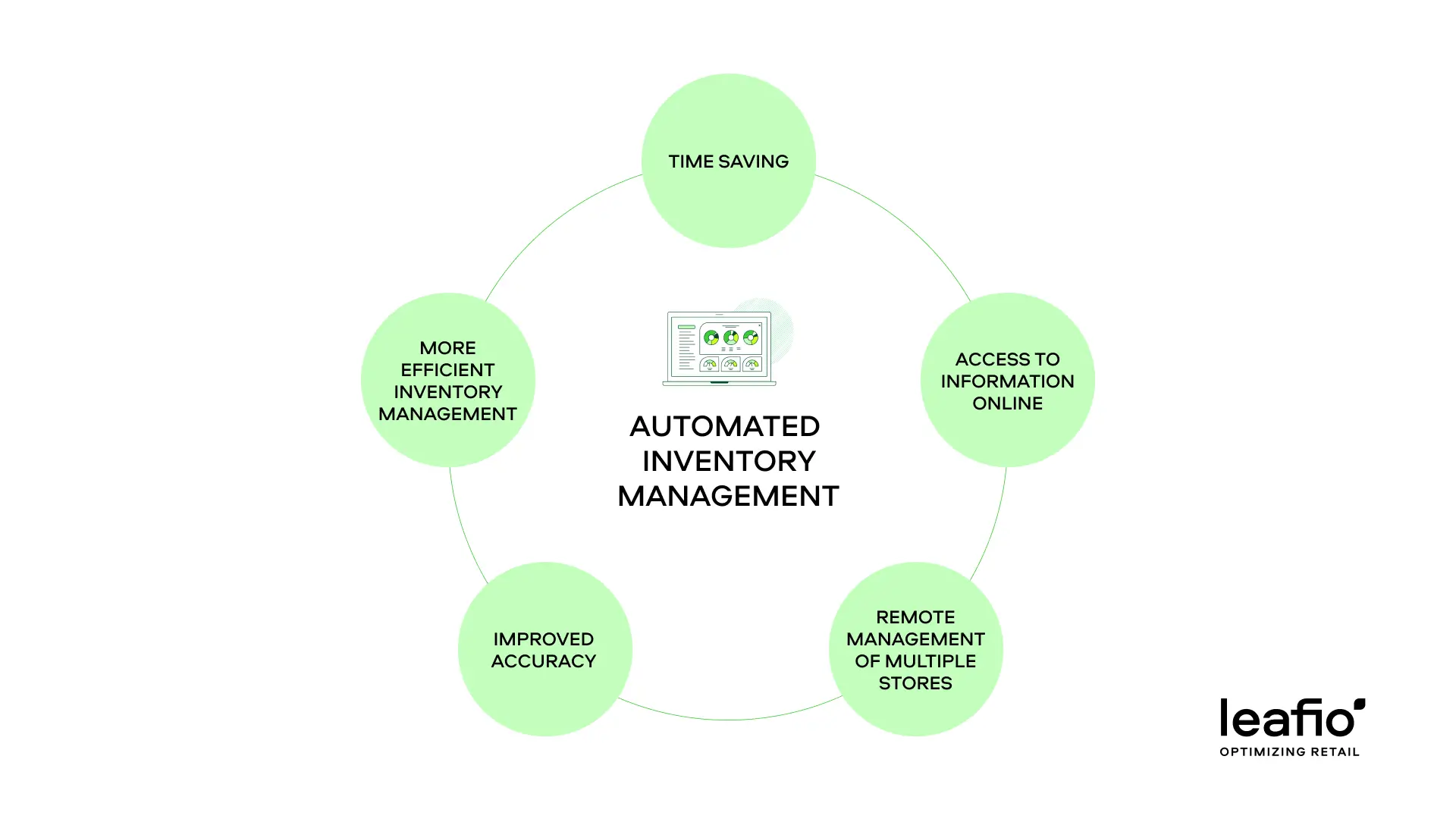
Smart shelves and inventory robots monitor stock availability and alert staff to out-of-stock items or misplaced products, allowing for efficient store layouts and better resource utilization.
While these advancements improve efficiency, AI automation-driven job displacement poses a significant ethical challenge for retailers, requiring strategies to support affected employees.
This automation reduces shrinkage and operational costs while improving the overall shopping experience by minimizing the chances of customers encountering empty shelves.
Accurate demand forecasting is essential for retail businesses to meet consumer demand without excess inventory.
AI-powered predictive analytics analyze historical sales data, market trends, third-party data, and external factors such as weather to forecast future customer demand with high precision.
This insight enables retailers to make data-driven decisions on product ordering, pricing strategies, and supply chain adjustments, thereby improving supply chain efficiency and reducing the impact of disruptions. Retailers must ensure that AI technologies are implemented responsibly to maintain customer trust, particularly when leveraging sensitive data for forecasting.
Enhanced forecasting also supports sustainability goals by reducing waste and optimizing resource allocation throughout the retail value chain.
Dynamic pricing powered by AI enables retailers to adjust prices in real time based on consumer demand, competitor pricing, inventory levels, and other market factors. AI algorithms analyze valuable customer data and sales data to determine optimal pricing that maximizes revenue while remaining competitive.
Ethical AI use in retail requires transparency in how customer data is collected and utilized, ensuring that pricing strategies do not compromise customer trust. This data-driven decision-making helps retailers balance profitability with customer satisfaction, ensuring prices are attractive without eroding margins.
Retailers can also use AI to test pricing strategies across different locations or customer segments, refining approaches based on performance metrics and customer feedback.
AI enables retailers to glean valuable insights from vast amounts of customer data, including purchase history, browsing behavior, and customer feedback.
These insights help retailers understand customer behavior and preferences at a granular level, allowing for more targeted marketing campaigns and personalized outreach.
Retailers need to balance the efficiency gains from AI with its ethical implications, ensuring customer data is handled responsibly. By integrating data from multiple sources, including transaction data and third-party data, AI-powered analytics improve customer retention and engagement.
Retailers can tailor marketing messages and promotions to specific customer segments, thereby increasing campaign effectiveness and driving sales growth.
Retailers face significant shrinkage challenges from theft and fraudulent transactions.
AI-powered solutions analyze transaction patterns and in-store behavior using computer vision and motion analytics to detect suspicious activities in real time. These technologies help reduce losses by alerting staff to potential theft and identifying anomalies in payment processes.
Additionally, AI enhances security by analyzing transaction patterns and monitoring video feeds for suspicious behavior, providing a comprehensive approach to loss prevention.
AI also enhances cybersecurity for online transactions, protecting both retailers and customers from fraud. Organizations like the National Retail Federation emphasize the importance of such technologies in minimizing retail shrinkage and improving overall store security.
AI technologies play a vital role in optimizing supply chain management by providing real-time visibility and predictive capabilities. Retailers use AI to analyze supply chain data, anticipate bottlenecks, and adjust logistics to meet changing demands.
AI algorithms optimize logistics and transportation by determining the most efficient routes and reducing fuel consumption, contributing to cost savings and environmental sustainability. This includes optimizing transportation routes, managing supplier relationships, and automating reorder processes.
By improving supply chain efficiency, retailers reduce costs, enhance product availability, and respond swiftly to supply chain disruptions.
AI-driven supply chain analytics support sustainable practices by minimizing waste and ensuring the timely delivery of goods across the retail value chain.
AI-powered chatbots and virtual assistants are transforming retail customer service by providing instant support and personalized interactions.
These AI solutions can handle routine customer queries, guide shoppers through product selections, and streamline the ordering process. Equipped with natural language processing capabilities, they engage customers in human-like conversations, improving response times and reducing the need for human intervention.
AI can also improve customer satisfaction and loyalty by providing human agents with relevant information to deliver better after-sales service.
Retailers use these tools to enhance the online shopping experience and provide consistent support across multiple channels, increasing customer satisfaction and loyalty.
Visual search and augmented reality (AR) technologies powered by AI are revolutionizing how customers discover and try products.
Visual search allows shoppers to upload images to find similar items on retail websites, making product discovery faster and more intuitive.
Meanwhile, AR applications enable customers to virtually try on clothing, accessories, or makeup virtually, helping them make confident purchase decisions without visiting physical stores.
These AI-driven tools reduce product returns and enhance the overall customer experience by bridging the gap between online and in-store shopping.
AI analyzes shopper behavior, transaction data, and store traffic patterns to optimize merchandising strategies and store layouts.
By identifying which products attract the most attention and how customers navigate physical stores, AI helps retailers design layouts that maximize engagement and sales. Dynamic merchandising powered by AI enables retailers to adjust promotions and product placements in real time based on demand and inventory levels.
This data-driven approach improves operational efficiency, enhances the shopping experience, and increases profitability.
Leading retailers are harnessing AI technologies to transform their operations, improve the customer experience, and maintain a competitive advantage in the retail industry. Here are examples of how major retail companies are leveraging AI:
Amazon uses AI extensively to personalize shopping experiences by analyzing customer purchase history and browsing behavior to recommend products. Its AI-driven logistics optimize warehouse operations and delivery routes, enabling faster, more efficient order fulfillment. Amazon also employs AI-powered chatbots and virtual assistants to enhance customer service.
Walmart integrates AI into its supply chain management to predict demand, optimize inventory levels, and automate replenishment processes. AI tools help Walmart forecast product demand during peak seasons and unexpected events, reducing waste and stockouts. Additionally, Walmart uses AI-powered surveillance and loss prevention systems to minimize shrinkage in stores.
Target leverages AI for inventory management, demand forecasting, and personalized marketing campaigns. AI algorithms analyze customer data to tailor promotions and product assortments to local preferences. Target also employs AI chatbots to assist customers online and in-store, improving engagement and satisfaction.
Sephora uses AI-driven augmented reality tools, such as Virtual Artist, to let customers virtually try on makeup products. This enhances the online shopping experience and reduces product returns. Sephora also uses AI for personalized product recommendations and customer insights.
H&M applies AI to analyze fashion trends by capturing data from social media and search engines. This enables the company to optimize its supply chain and quickly respond to changing consumer preferences, reducing lead times and waste. AI also supports inventory management and product placement decisions.
Alibaba employs AI to detect fraudulent transactions and enhance cybersecurity across its e-commerce platforms. AI analyzes user behavior to identify potential fraud in real time, protecting both the company and its customers. Alibaba also uses AI to personalize marketing and improve customer service.
Michaels uses generative AI to personalize marketing campaigns, increasing engagement through tailored emails and text messages. AI-powered analytics help Michaels optimize marketing strategies and predict customer behavior, driving sales growth and customer retention.
These demonstrate how retail artificial intelligence is becoming integral to the strategies of leading retailers, enabling them to optimize retail operations, enhance customer interactions, and stay ahead in the competitive retail sector.
The future of AI in retail promises continued advancements in machine learning, natural language processing, and computer vision, further enhancing both customer experiences and operational efficiency.
Leading retail companies are investing heavily in AI technologies, including generative AI (Gen AI) solutions, to gain deeper customer insights, improve data quality, and make smarter, data-driven decisions.
As AI continues to evolve, retailers that embrace these innovations will be better positioned to meet consumer expectations, optimize retail operations, and thrive in a competitive market.
What is AI in retail?
AI in retail refers to the use of artificial intelligence technologies to enhance various aspects of the retail industry, including customer experience, inventory management, demand forecasting, pricing strategies, and supply chain optimization.
How does AI improve customer experience in retail?
AI improves customer experience by providing personalized shopping recommendations, enabling AI-powered chatbots and virtual assistants for instant support, and using visual search and augmented reality to help customers find and try products more easily.
What are the benefits of AI in inventory management?
AI enables automated inventory management by analyzing historical sales data and real-time transaction data to optimize stock levels, reduce waste, minimize stockouts, and improve overall supply chain efficiency.
How does AI help with demand forecasting?
AI-powered predictive analytics analyze historical sales, market trends, and third-party data to accurately forecast future customer demand, enabling retailers to make data-driven decisions on ordering and pricing.
Can AI help prevent fraud and loss in retail?
Yes, AI analyzes transaction patterns and in-store behaviors using computer vision and motion analytics to detect suspicious activities and fraudulent transactions in real time, helping reduce retail shrinkage and enhance security.
What ethical concerns are associated with AI in retail?
Ethical concerns include privacy and data-collection practices, algorithmic biases that lead to unfair treatment, and potential job displacement due to automation. Retailers must implement AI responsibly to maintain trust and fairness.
How are AI-powered chatbots used in retail?
AI chatbots handle routine customer queries, guide shoppers through product selections, and streamline ordering processes with natural language processing, improving response times and reducing the need for human intervention.
What is dynamic pricing and how does AI support it?
Dynamic pricing uses AI algorithms to adjust product prices in real time based on consumer demand, competitor pricing, and inventory levels, helping retailers maximize revenue while remaining competitive.
How does AI optimize store layouts and merchandising?
AI analyzes shopper behavior, transaction data, and foot traffic patterns to recommend optimal product placement and promotional strategies that increase customer engagement and sales.
What is the future outlook for AI in retail?
The future of AI in retail involves continued advancements in machine learning, natural language processing, and computer vision, enabling retailers to deliver hyperpersonalized experiences, improve operational efficiency, and maintain competitiveness in a rapidly evolving market.